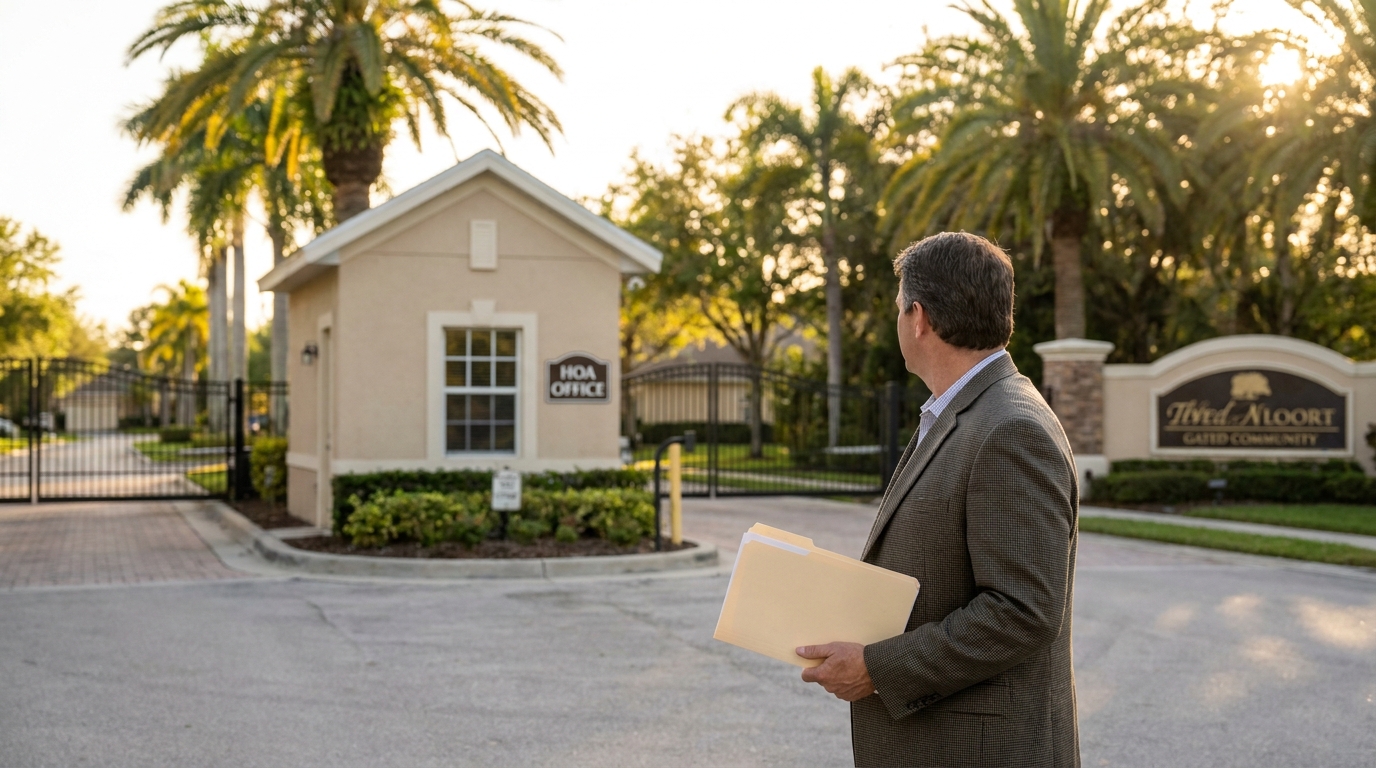
HOA Disputes in Florida: Homeowner Rights & Steps
Living in a Florida community with a homeowners association (HOA) can bring real benefits—shared amenities, neighborhood standards, and predictable maintenance. But when rules feel unevenly enforced, fees rise unexpectedly, or a board meeting turns tense, HOA disputes can quickly become stressful, expensive, and personal. The good news is that Florida law provides tools for homeowners to understand their obligations, challenge improper actions, and resolve conflicts without turning every disagreement into a lawsuit.
This guide explains the most common HOA disputes in Florida, what the law generally requires, and the practical steps homeowners can take to protect their rights. Whether you’re dealing with a violation notice, a fine, a lien threat, selective enforcement, or a board that won’t produce records, a clear plan—and good documentation—can make all the difference.
1. Understanding Florida HOAs and the Rules That Govern Them
In Florida, most HOAs are governed primarily by Chapter 720 of the Florida Statutes (the “Homeowners’ Association Act”), along with the association’s recorded governing documents: the declaration of covenants, conditions, and restrictions (CC&Rs), articles of incorporation, bylaws, and adopted rules and regulations. Your dispute often turns on the interplay between the statute and the specific language in these documents. If the documents are unclear, inconsistent, or outdated, conflict becomes more likely.
It’s also important to distinguish HOAs from condominiums. Condos are generally governed by Chapter 718, and they have a different regulatory structure and dispute resolution system. Many homeowners assume “HOA law” works the same as “condo law,” but the procedures, remedies, and agency oversight can differ. Before taking action, confirm whether your community is legally an HOA, a condo association, or a hybrid structure.
Most HOA disputes involve one of three categories: (1) enforcement of restrictions (appearance, use, parking, rentals), (2) money (assessments, late fees, fines, collections, liens), and (3) governance (elections, access to records, board authority, meeting notices, conflicts of interest). Knowing which category you’re in helps you choose the right strategy and evidence.
Key documents every Florida homeowner should review
When a dispute starts, many homeowners rely on what a neighbor said or what “has always been allowed.” That can be risky. In Florida HOA disputes, the written record usually controls. Before responding to an HOA notice or escalating the issue, gather and read:
- Declaration/CC&Rs: The core restrictions and the association’s enforcement powers.
- Bylaws: Board authority, meeting procedures, elections, and member rights.
- Rules & regulations: Day-to-day rules (parking, amenities, architectural guidelines).
- Fine/violation policy: The process for notice, hearing, and appeal.
- Collection policy: Late fees, interest, attorney’s fees, lien and foreclosure steps.
Practical tip: create a “dispute folder” (digital and paper) containing the notice you received, the relevant governing provisions, photos, emails, certified mail receipts, and a timeline of events. Good organization often leads to faster, cheaper resolutions.
Board power is real—but it is not unlimited
HOA boards have authority to enforce restrictions and collect assessments, but they must generally follow the governing documents and Florida law. They also have fiduciary duties to act in the best interests of the association. Problems arise when boards overreach (creating rules not authorized by the declaration), apply standards inconsistently, or skip required procedures such as notice and an opportunity to be heard.
A common example: a board adopts a “new rule” banning certain vehicles or imposing a rental cap without clear authority in the declaration. Homeowners may have grounds to challenge such actions—especially if the rule effectively changes property rights rather than managing day-to-day operations. The exact outcome depends on the language of your documents and the specific facts, but the general principle is that boards cannot simply legislate major restrictions without proper authority.
2. The Most Common HOA Disputes in Florida (and Why They Happen)
Most HOA conflicts start small: a warning letter, a neighbor complaint, or a denied architectural request. But they can escalate quickly when the homeowner feels targeted or the HOA feels ignored. Understanding the most common dispute types helps you anticipate what evidence you’ll need and what resolution path may work best.
Florida’s growth, seasonal residents, short-term rentals, and storm-related repairs can also intensify HOA friction. After hurricanes, for example, homeowners may need urgent roof or fence repairs, while an HOA may insist on architectural approvals or specific materials. When timelines are tight and emotions run high, disputes multiply.
Violation notices and selective enforcement
One of the most frequent disputes involves alleged violations: lawn maintenance, exterior paint, fences, holiday decorations, trash cans, commercial vehicles, noise, pets, or prohibited rentals. Homeowners often argue the violation is inaccurate, the rule is vague, or the HOA is enforcing it against some owners but not others.
Real example: A homeowner receives a violation for parking a pickup truck in the driveway overnight. They respond with photos showing multiple neighbors doing the same. The homeowner’s strongest argument may not be “the rule is unfair,” but “the HOA is selectively enforcing” or “the HOA has waived strict enforcement through a long pattern of non-enforcement.” These arguments are fact-intensive, so documentation (dated photos, prior emails, and prior enforcement history) matters.
Actionable advice: if you believe enforcement is selective, avoid relying on gossip. Take time-stamped photos, note addresses (where lawful), and request records of similar violations and enforcement actions. Keep your communications professional and focused on policy consistency.
Architectural control disputes
Architectural review is a common flashpoint: roof replacements, window types, solar panels, fences, landscaping, exterior lighting, and paint colors. Many Florida HOAs require pre-approval for changes visible from the street. Disputes arise when the HOA denies an application without clear standards, delays unreasonably, or changes requirements midstream.
Real example: After storm damage, a homeowner replaces a roof with a similar material but a slightly different shade due to supply shortages. The HOA demands replacement or threatens fines. A practical approach may include showing contractor invoices, supply availability, and photos demonstrating substantial similarity—then negotiating a variance or retroactive approval. In some cases, the governing documents may give the HOA broad discretion, but that discretion must still be exercised reasonably and consistently.
Actionable advice: submit complete applications, keep proof of submission, and request written reasons for any denial. If you need emergency repairs, communicate early, document the urgency, and ask for expedited review in writing.
Assessments, late fees, fines, liens, and foreclosure threats
Money disputes are the fastest route to serious legal consequences. HOAs in Florida can typically collect assessments and, if unpaid, may record a lien and pursue foreclosure under certain conditions. Homeowners may dispute the amount owed, whether proper notice was given, the validity of a fine, or whether attorney’s fees and interest were added correctly.
Real example: A homeowner pays assessments through an online portal, but the HOA’s management company misapplies the payment to a different account. The homeowner then receives a late notice and attorney demand. This type of dispute often resolves through proof of payment (bank records, confirmation emails) and a written demand for an updated ledger. The key is acting quickly—once a file is handed to collections, fees can increase.
Actionable advice: always pay with a trackable method, keep receipts, and request a current statement/ledger if anything looks off. If you can pay the undisputed portion, consider doing so to reduce escalation while you contest the disputed amount.
Elections, meetings, and board transparency
Governance disputes include contested elections, improper board meetings, lack of notice, conflicts of interest, and refusal to provide access to official records. Homeowners may feel shut out or suspect decisions are being made behind closed doors. HOAs must typically follow statutory and document-based requirements for meetings, notices, and recordkeeping.
Real example: Owners request access to financial records after a sudden special assessment, but the HOA delays or provides incomplete documents. A well-structured records request (in writing, citing the categories requested and a reasonable inspection date) can clarify whether the HOA is complying. If the HOA still refuses, legal remedies may be available, but a careful paper trail is essential.
Actionable advice: attend meetings, request minutes, and keep a written log of requests and responses. Many disputes are won or lost based on procedure, not just fairness.

3. Florida HOA Enforcement: Notices, Fines, and Due Process
When an HOA enforces rules, it generally must follow its own procedures and the requirements in Florida law. Even when a homeowner is technically in violation, the HOA can create legal risk for itself if it fails to provide proper notice, skips a required hearing, or imposes fines inconsistent with the governing documents.
Homeowners often feel pressure to respond immediately to a violation letter. You should respond promptly, but thoughtfully. A rushed response can accidentally admit facts you later need to dispute. Your goal is to clarify the alleged violation, request the supporting authority, and propose a practical resolution—while preserving your rights.
What a violation notice should include
While exact requirements vary by documents and circumstances, a proper notice typically identifies the rule allegedly violated, the facts (what was observed and when), the deadline to cure, and the potential consequences if not cured. If the notice is vague—“your property is not in compliance”—request specifics in writing.
Practical tip: respond with three elements: (1) acknowledgment of receipt, (2) request for details and the precise governing provision, and (3) your plan—either to cure by a certain date or to dispute with supporting facts. Keep the tone neutral; assume your email could later be read by a judge, arbitrator, or mediator.
Fines and the hearing process
In many Florida HOAs, fines require a process that includes notice and an opportunity for a hearing before a committee (often called a fining committee) that is separate from the board. If your HOA attempts to fine you without the required committee hearing, that can be a major procedural issue.
Homeowners should prepare for a fining hearing like a mini-case presentation. Bring photos, contractor letters, dated communications, and a short written statement. Focus on the strongest points: compliance, ambiguity in the rule, inconsistent enforcement, or a reasonable accommodation issue (if applicable). If you cured the issue, bring proof and request that the matter be closed without further action.
Actionable advice: ask in advance for the evidence the HOA is relying on (photos, inspection reports, complaint logs). If the HOA refuses, note that in writing and bring it up at the hearing as a fairness concern.
When “self-help” and entry onto property becomes an issue
Some declarations allow an HOA to enter an owner’s lot to cure certain exterior violations (for example, mowing or trimming) and charge the owner. These provisions are controversial and can lead to disputes if the HOA enters without proper notice, causes damage, or charges unreasonable amounts.
If you receive a “self-help” threat, treat it as urgent. Request the exact declaration provision authorizing entry, the scope of work, the contractor information, and an itemized estimate. If you can cure the issue yourself quickly, propose a short extension and confirm the cure date in writing.
Practical tip: if the HOA enters and you believe it exceeded its authority or caused damage, document immediately with photos and a written incident summary. Request invoices and contractor details, and consider consulting counsel before withholding payment, as nonpayment can trigger collection actions.
4. Assessment and Collection Disputes: How to Protect Your Home
Assessment disputes are high stakes because they can lead to liens and foreclosure. Even when the underlying amount is small, attorney’s fees, interest, and costs can grow rapidly once the matter is referred to a collection law firm. The earlier you address discrepancies, the more options you typically have.
Florida HOAs often have authority to levy regular assessments and, in some cases, special assessments. Disputes arise when owners believe an assessment was not properly approved, is not authorized by the documents, or is being used for improper purposes. Other disputes involve accounting errors, payment application issues, or charges that appear inconsistent with the HOA’s published policies.
Common billing problems (and how to challenge them)
Many assessment disputes are not about refusal to pay, but about confusion or errors. Common issues include misapplied payments, missing credits, incorrect late fees, and unexplained attorney charges. The best first step is to request a detailed ledger and supporting documents.
- Request an itemized account ledger showing charges, payments, late fees, interest, and attorney fees.
- Compare the ledger to your bank records and payment confirmations.
- Dispute in writing with a clear table of what you believe is incorrect and why.
- Ask for correction and a revised ledger by a specific deadline.
Real example: An owner receives a “notice of intent to lien” that includes legal fees. The owner believes they paid on time and provides bank proof. The HOA’s counsel later confirms the management company posted the payment to the wrong lot. That dispute often resolves once the documentation is organized and presented clearly—before litigation costs increase.
Liens and foreclosure: what homeowners should know
If an HOA records a lien, it may affect your ability to refinance or sell. Foreclosure is the most severe outcome and typically involves strict timelines and legal filings. If you receive a pre-lien notice, a lien, or a foreclosure complaint, do not ignore it. Silence is often interpreted as inability or unwillingness to resolve the debt.
Actionable advice: if you can pay the undisputed portion, consider doing so while you contest the rest. Also consider requesting a payoff or estoppel amount in writing. If you are negotiating a payment plan, get it in writing and confirm whether attorney’s fees will be frozen or continue accruing.
If you are facing foreclosure, consult a Florida attorney promptly. There may be defenses based on payment history, incorrect amounts, improper notice, or failure to follow statutory and document-based procedures. The earlier you seek advice, the more leverage you may have to resolve the case without losing your home.
Special assessments and budget disputes
Special assessments can trigger intense conflict, especially when owners feel blindsided. Some HOAs have clear authority for special assessments; others require member approval or must follow specific notice and meeting procedures. Disputes often center on whether the board followed the required process and whether the assessment is authorized for the stated purpose.
Practical tip: ask for the budget, reserve schedules (if applicable), meeting minutes approving the assessment, bids/contracts, and the governing provisions authorizing it. If you suspect mismanagement, focus on facts: missing competitive bids, conflicts of interest, or deviations from required approval procedures.
Even if you disagree, avoid withholding payment without legal advice. Nonpayment can escalate quickly. A more strategic approach is to pay under protest (where appropriate), demand records, and pursue a formal dispute process or legal challenge if warranted.
5. Records Requests, Meetings, and Election Conflicts: Enforcing Transparency
Many HOA disputes are not about a fence or a fee—they are about trust. When homeowners believe the board is not transparent, every decision becomes suspect. Florida law and most governing documents provide member rights to access certain official records, receive meeting notices, and participate in elections. Exercising those rights effectively requires procedure, patience, and persistence.
Transparency disputes often arise after sudden fee increases, special assessments, vendor changes, or rumors of conflicts of interest. Homeowners may request contracts, invoices, bank statements, reserve studies, and communications. The HOA may respond slowly, claim documents are privileged, or offer partial access. Knowing what to ask for—and how to ask—can reduce friction and improve compliance.
How to make an effective official records request
A strong records request is clear, targeted, and written. It specifies the categories of documents, the date range, and a proposed inspection date. It also asks for the method of access (in-person inspection, electronic copies) and requests a written response confirming when and how access will be provided.
- Be specific: “General ledger for Jan–Dec 2025,” “contract with landscaping vendor,” “minutes for board meetings from March–June 2025.”
- Keep it reasonable: Overly broad requests can slow things down and create objections.
- Request a written index: If the HOA claims something is privileged or unavailable, ask for an explanation.
- Document everything: Send via email and, if necessary, certified mail.
Real example: Homeowners question a steep increase in management fees. They request the management contract, competing bids, and meeting minutes approving the change. The HOA initially provides only the minutes. A follow-up request for the contract and invoices—plus a polite reminder of statutory obligations—often resolves the issue without court involvement.
Board meetings, notice, and “closed-door” decisions
Meeting disputes may involve inadequate notice, decisions made outside properly noticed meetings, or owners being denied the ability to speak (where documents allow). While boards can consult with attorneys and handle certain matters confidentially, routine governance should not be conducted in the shadows.
Actionable advice: attend meetings consistently, request agendas in advance, and follow up afterward with a short email summarizing any commitments made by the board. If you believe a decision was made improperly, ask for the vote record and the authority relied upon. A calm, procedural approach is often more effective than a confrontational one.
For contentious issues, consider organizing a small group of owners to ask for clarity together. A respectful, unified request for records and process compliance can carry more weight than scattered complaints.
Election disputes and recalls
Election disputes can become deeply divisive. Common issues include eligibility disputes, lack of proper notice, ballot handling concerns, and alleged rule changes designed to influence outcomes. If you suspect irregularities, start by requesting the written election procedures and the association’s records relating to notice, ballots, and vote tabulation (subject to applicable rules and privacy considerations).
In some situations, owners explore a recall of board members. Recalls are procedural and must follow the governing documents and Florida law. Because mistakes can invalidate the process, it is wise to consult counsel early if a recall is being considered.
Practical tip: keep the focus on governance and compliance, not personalities. Courts and mediators respond better to evidence of procedural violations and documented harm than to generalized accusations.
6. Resolving HOA Disputes: Negotiation, Mediation, Arbitration, and Litigation
Not every HOA dispute should go to court. In fact, many of the most successful outcomes come from early negotiation backed by solid documentation. The right approach depends on the stakes, the HOA’s posture, the clarity of the governing documents, and whether time-sensitive issues (like a lien or lawsuit) are already in motion.
Before escalating, consider your end goal. Do you want the violation closed? A fine waived? A payment plan? Access to records? A policy change? A new election? Being clear about the desired outcome helps you choose the best resolution method and avoid spending more than the dispute is worth.
Step-by-step strategy for homeowners
Most homeowners benefit from a structured escalation ladder. Here is a practical sequence that often works:
- Step 1: Document and clarify. Gather documents, take photos, and identify the exact rule or statute at issue.
- Step 2: Respond in writing. Keep it factual, professional, and solution-oriented. Ask for the HOA’s evidence and authority.
- Step 3: Request a meeting or hearing. Present your case calmly with supporting exhibits.
- Step 4: Propose a compromise. Examples: a cure timeline, a variance, partial payment with ledger correction, or alternative materials.
- Step 5: Consider formal dispute resolution. Mediation or arbitration may be required or strongly recommended depending on the dispute type.
- Step 6: Consult an attorney. Especially if liens, foreclosure, or litigation are threatened or filed.
Actionable advice: avoid social media arguments and neighborhood rumor mills. Public posts can inflame conflict and may become evidence. Keep communications direct, private, and documented.
Negotiation and demand letters
A well-crafted demand letter can change the trajectory of a dispute. It typically summarizes the facts, cites the relevant governing provisions and legal requirements, attaches key exhibits, and proposes a resolution with a deadline. The tone matters: firm but professional. Many boards and management companies respond more seriously when a homeowner presents an organized record and a reasonable proposal.
Real example: A homeowner is fined repeatedly for a landscaping issue they already corrected. A demand letter attaching dated photos, prior emails acknowledging the correction, and a request for a hearing or fine reversal often leads to the fines being waived—especially if the HOA’s inspection process was flawed.
Even if you do not hire counsel immediately, you can adopt the same structure in your own communications: clear facts, citations, exhibits, and a proposed outcome.
Mediation, arbitration, and when litigation makes sense
Alternative dispute resolution can be effective when both sides want to avoid court costs and maintain community relationships. Mediation is typically non-binding and focuses on settlement. Arbitration can be binding or non-binding depending on the process and legal context. The right forum depends on the dispute type and what your governing documents require.
Litigation may be appropriate when the stakes are high (foreclosure, significant fines, major property restrictions), when the HOA is acting outside its authority, or when repeated procedural violations have not been corrected. Court can also be necessary for injunctive relief—such as stopping an unauthorized enforcement action or compelling access to records—depending on the facts.
Practical tip: before filing suit, calculate the “total cost of conflict.” Consider attorney’s fees, time, stress, resale impact, and the possibility of fee-shifting provisions in the governing documents. Sometimes a creative settlement (variance, phased compliance, reduced fees) is the best business decision even when you believe you are right.
Conclusion: Key Takeaways for Florida Homeowners Facing HOA Disputes
HOA disputes in Florida are common, but they are not hopeless. The strongest homeowner position is built on three pillars: knowing the governing documents, documenting the facts, and insisting on proper procedure. Many conflicts resolve once the HOA understands you are organized, informed, and focused on a fair outcome rather than a fight.
Key takeaways to remember:
- Start with the documents and the statute. Your rights and obligations usually live in writing, not in neighborhood tradition.
- Move quickly on money issues. Assessment disputes can escalate to liens and foreclosure; address them early and in writing.
- Demand due process. Notices, hearings, and fine procedures matter—procedural mistakes can change the outcome.
- Use records requests strategically. Transparency can resolve suspicion and reveal whether the HOA followed required steps.
- Choose the right resolution path. Negotiation and mediation often preserve relationships; litigation is sometimes necessary for high-stakes or repeated violations.
If you’re facing an HOA dispute involving fines, liens, foreclosure threats, architectural denials, or governance concerns, consider speaking with a Florida attorney who handles HOA and real estate litigation. A timely review of your documents, timeline, and evidence can help you avoid costly missteps and pursue the most effective resolution.