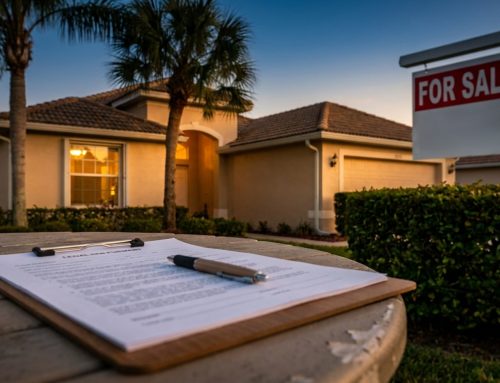
Lady Bird Deed vs Life Estate in Florida Homes
For many Florida homeowners, the house is more than an asset—it’s security, stability, and a legacy. But the way you transfer that home to your loved ones can either preserve that security or unintentionally put it at risk. Two of the most common tools people consider are the Lady Bird deed (also called an enhanced life estate deed) and the traditional life estate deed. They sound similar, and both can avoid probate for the home. Yet they behave very differently when real-life issues arise—like refinancing, selling, Medicaid planning, creditor claims, family conflict, or an unexpected need to move.
This guide breaks down how each deed works in Florida, where each one shines, and where each one can create costly surprises. You’ll also find practical examples, checklists, and action steps to help you decide which approach better protects your Florida home for your specific situation.
Understanding the Basics: What Each Deed Actually Does
At a high level, both a Lady Bird deed and a traditional life estate deed split ownership rights over time. The person who owns the home today (often called the “grantor” or “life tenant”) keeps the right to live in and use the property for life. The people who will receive the home later (called “remaindermen”) receive the property automatically at the life tenant’s death—typically without probate.
That’s where the similarity ends. A traditional life estate deed gives the remaindermen a present ownership interest right now, even though they don’t get possession until later. That present interest can limit what the life tenant can do with the property without the remaindermen’s cooperation.
A Lady Bird deed, by contrast, is designed to preserve the life tenant’s control. It gives the life tenant an “enhanced” life estate: the right to sell, mortgage, refinance, lease, or otherwise deal with the property without needing the remaindermen to sign off. The remaindermen’s interest is more like a future expectancy that becomes real only if the property is still owned by the life tenant at death.
Traditional life estate deed in plain English
With a traditional life estate deed, you deed the property to yourself for life, with the remainder to your chosen beneficiaries. Once recorded, the remainder beneficiaries have a legally recognized interest. If you later want to sell the home, the buyers and title company will generally require the remaindermen to sign the deed too—because they hold part of the ownership “bundle” already.
This can be workable in stable families with cooperative beneficiaries. But it can become a major problem if a remainderman is unavailable, incapacitated, minor, in a dispute, going through divorce, or facing creditor issues.
Lady Bird deed (enhanced life estate) in plain English
A Lady Bird deed still names remainder beneficiaries, but it reserves to the life tenant the power to do almost anything with the property during life—including changing the beneficiaries by selling or re-deeding. The remainder beneficiaries do not typically need to sign for a sale or mortgage during the life tenant’s lifetime.
In Florida, Lady Bird deeds are widely used as a probate-avoidance tool, especially when the homeowner wants to keep flexibility and control. The drafting must be precise, and the deed must be properly executed and recorded to work as intended.
Why probate avoidance matters in Florida
Florida probate can be time-consuming, public, and expensive—particularly if the home is the primary asset and the family needs to sell quickly or manage expenses. While Florida has streamlined options in some cases, avoiding probate for the home can still reduce delays, minimize legal fees, and protect family privacy.
Both deed types can help avoid probate for the home, but the “better” tool depends on what you’re trying to protect against: loss of control during life, Medicaid planning pitfalls, creditor exposure, family conflict, or title/financing complications.
Control and Flexibility: Who Can Sell, Refinance, or Change Plans?
Protection isn’t just about what happens after death—it’s also about what you can do while you’re alive. Many Florida homeowners choose these deeds precisely because they want a simple plan today that still leaves room for change later. Life happens: you may want to downsize, move closer to family, borrow against equity, or change beneficiaries after a falling-out or a remarriage.
This is where Lady Bird deeds often provide stronger practical protection. Traditional life estate deeds can lock you into a structure that requires ongoing cooperation from the remaindermen for major transactions. That can feel fine when everyone gets along—but it can become a serious vulnerability if circumstances change.
Selling the home
Traditional life estate: If you want to sell, you generally need the remaindermen to join in the deed. If one beneficiary refuses, is missing, or is legally unable to sign, the sale can be delayed or derailed. In some situations, you may need court involvement to resolve the impasse, which defeats the simplicity people seek.
Lady Bird deed: The life tenant typically retains the power to sell the property without beneficiary signatures. If you sell, the remainder interest is effectively wiped out because the property is no longer in your name at death. This preserves marketability and allows you to respond quickly to life changes.
Practical example: A widowed homeowner names two adult children as remaindermen. Ten years later, one child moves overseas and becomes hard to reach, while the homeowner needs to sell to move into assisted living. Under a traditional life estate, getting signatures and notarizations from abroad can cause months of delay. A Lady Bird deed generally avoids that bottleneck.
Refinancing or getting a home equity loan
Title companies and lenders are cautious about any deed that splits ownership. With a traditional life estate, the lender may require the remaindermen to sign the mortgage or loan documents, because they have a present interest in the property. That can be a dealbreaker if the beneficiaries don’t want to be involved or can’t qualify under lender requirements.
With a Lady Bird deed, the life tenant’s enhanced powers usually make financing easier because the life tenant can encumber the property without the remaindermen’s consent. However, lender policies vary. The key is to plan ahead: if you think you may refinance, ask your attorney to draft with marketability in mind and confirm how local title companies treat these deeds.
Changing beneficiaries
Traditional life estate: Once you record the deed, changing the remainder beneficiaries can be difficult. Because the remaindermen have a present interest, you may need their consent to undo or reconfigure the deed. That means if relationships deteriorate, your options can be limited.
Lady Bird deed: You generally retain the ability to change course. You can sell, re-deed, or otherwise revise your plan without needing beneficiary sign-off. For many people, that flexibility is the “protection” they value most—especially in blended families or when trust is a concern.

Medicaid and Nursing Home Planning: What Florida Homeowners Need to Know
One of the most common reasons Florida residents consider life estate deeds is long-term care planning. Medicaid rules are complex, and the consequences of a “simple” deed can be significant. If you are considering either deed as part of Medicaid planning, it’s essential to get advice tailored to your income, assets, health, and timing.
In Florida, the homestead is often exempt while you are alive, but Medicaid estate recovery and transfer penalty rules can still come into play. The way your deed is structured may affect whether a transfer is considered a gift, whether it triggers a penalty period, and whether the state can pursue recovery after death.
Does either deed avoid Medicaid estate recovery?
Medicaid estate recovery generally targets assets that go through the recipient’s estate. A key reason Lady Bird deeds are popular in Florida is that, in many cases, they can keep the home from becoming part of the probate estate, which may reduce exposure to estate recovery. That said, Medicaid rules and enforcement practices can change, and outcomes can depend on exact facts and drafting.
Traditional life estate deeds also avoid probate for the remainder interest, but because the remaindermen hold a present interest, the transfer dynamics differ. Some people assume “any deed that avoids probate avoids recovery,” but that’s an oversimplification. Proper planning requires looking at how Florida treats the property at death and what counts as an estate for recovery purposes.
Transfer penalties and the five-year lookback
Medicaid has a lookback period for certain transfers (commonly discussed as five years). A traditional life estate deed may be treated as a transfer of a remainder interest at the time the deed is made. That can be viewed as a gift of the remainder value, potentially creating a penalty if you apply for Medicaid within the lookback period.
Lady Bird deeds are often structured so that the life tenant retains the power to revoke or sell, which can change how the transfer is characterized. Many Florida elder law attorneys prefer Lady Bird deeds for clients who want to preserve control and potentially reduce Medicaid complications—but this is not a DIY area. The wrong deed at the wrong time can create a penalty when you can least afford it.
Actionable tip: If long-term care planning is a primary goal, ask your attorney to walk you through (1) whether the deed is considered a present transfer, (2) how it affects eligibility timing, and (3) what happens if you sell the home later and hold cash proceeds (which are typically not exempt).
What if you need to sell to pay for care?
Many people plan to keep the home “until the end,” but reality often requires selling to fund assisted living or to move closer to caregivers. A traditional life estate can complicate that sale because remaindermen must usually cooperate. If one beneficiary is uncooperative, you may be stuck with a property you can’t easily liquidate.
A Lady Bird deed generally allows the life tenant to sell without beneficiary signatures, preserving your ability to adapt. However, selling converts an exempt homestead into cash, which may affect Medicaid eligibility unless properly structured and spent down according to the rules.
Creditor, Divorce, and Lawsuit Risks: Protecting the Home From Others’ Problems
Another major “protection” question is whether your chosen deed exposes your home to someone else’s financial problems—especially your beneficiaries’. Many Florida homeowners are comfortable leaving the home to adult children, but less comfortable with the idea that a child’s creditor, bankruptcy trustee, or divorcing spouse could create complications while the homeowner is still alive.
The difference between a present ownership interest (traditional life estate) and a more contingent future interest (Lady Bird deed) matters here. When beneficiaries receive a present interest, that interest may be reachable by their creditors and may be considered in divorce proceedings or bankruptcy, depending on circumstances.
Traditional life estate: beneficiaries’ present interest can be a target
Because remaindermen under a traditional life estate deed have a recognized present interest, that interest may be subject to liens, judgments, creditor claims, or equitable distribution arguments in divorce. Even if a creditor can’t force a sale while you’re alive, liens against a beneficiary’s remainder interest can cloud title and complicate a future sale or transfer.
Real example: A homeowner creates a traditional life estate deed naming a son as remainderman. The son later gets sued and a judgment is recorded. That judgment can attach to the son’s property interests. When the homeowner dies, the judgment lien can create a title problem for the heirs, forcing legal cleanup before the property can be sold or refinanced.
Lady Bird deed: often reduces exposure during the life tenant’s lifetime
With a Lady Bird deed, because the life tenant retains the power to sell or revoke and the beneficiaries’ interest is less “fixed,” there is often less for a creditor to grab during the life tenant’s lifetime. While no planning tool is a magic shield, this structure can reduce the risk that a beneficiary’s problems become your property’s problems before you die.
That said, once you die and the property passes to the beneficiaries, it becomes their asset and can be exposed to their creditors. If your goal is long-term protection for beneficiaries (not just probate avoidance), you may need additional planning, such as a trust-based approach.
Homestead protections and why they don’t solve everything
Florida’s homestead protections are powerful, but they are not a universal fix. Homestead rules can protect against certain creditor claims and can restrict how property is devised if you have a surviving spouse or minor child. A deed that seems straightforward can accidentally conflict with homestead restrictions, especially in blended families.
Actionable tip: Before signing any deed, confirm your homestead status and family situation (marriage, divorce, minor children). A deed that bypasses probate but violates homestead devise restrictions can trigger litigation and force a court to sort out ownership—exactly what most families want to avoid.
Taxes, Insurance, and Title Practicalities: Hidden Costs and Common Mistakes
“Which deed is better?” isn’t only a legal question. It’s also a practical one. Homeowners should consider property taxes, potential capital gains, insurance, and how smoothly the property will transfer at death. Small drafting mistakes or misunderstandings can lead to big headaches for heirs.
In many cases, both Lady Bird deeds and traditional life estate deeds can preserve favorable tax outcomes compared to gifting the home outright during life. But the details matter, and homeowners should avoid one-size-fits-all internet forms.
Property taxes and Florida’s Save Our Homes cap
Florida’s Save Our Homes cap can limit annual increases in assessed value for homestead property, which can significantly reduce property taxes over time. Certain transfers can trigger reassessment or affect portability planning. While a life estate structure often allows the homeowner to keep homestead benefits during life, the impact on heirs may vary depending on how they use the property after inheritance.
Actionable tip: If keeping low property taxes is a priority, ask your attorney and property appraiser’s office about how the deed might affect homestead status today and what happens when beneficiaries take title. Also consider whether beneficiaries plan to live in the home or sell it—because that affects tax planning decisions.
Capital gains and the step-up in basis
A common goal is preserving the step-up in basis at death, which can reduce capital gains taxes if heirs sell the home later. Generally, transferring the home at death (rather than gifting it outright during life) helps preserve a step-up. Both Lady Bird deeds and traditional life estate deeds are often used with that in mind.
However, tax outcomes can depend on the exact structure and timing, and federal and state tax rules can change. If the home has appreciated substantially—common in many Florida markets—this is an area worth confirming with a qualified professional.
Title company and recording realities
Even a well-intended plan can fail if the deed is improperly executed, not recorded, or drafted in a way that creates ambiguity. Florida has specific execution requirements (including notarization and witness rules). A deed that is not properly recorded can lead to disputes and may require probate anyway.
Title companies also look closely at deeds that reserve rights. If the language is unclear, heirs may face delays selling the home after death. Lady Bird deeds must be drafted precisely to reserve the enhanced powers; otherwise, you may accidentally create a traditional life estate (or another unintended interest) with less flexibility.
Actionable tip: After recording, keep a copy of the recorded deed with the official recording stamp and instrument number. Tell your personal representative, trustee (if any), or a trusted family member where it is. Many post-death delays happen simply because no one can find the recorded document.
Insurance and liability considerations
Homeowners insurance and umbrella liability policies usually follow the named insured and the property’s ownership/occupancy structure. With a traditional life estate, beneficiaries may technically have an ownership interest, but they typically are not living in the home. This mismatch can create confusion if a claim arises or if the insurer asks about additional insureds.
With either deed, it’s wise to notify your insurance agent that you have executed an estate planning deed affecting title. The goal is not to create alarm, but to ensure the policy accurately reflects the ownership structure and that there are no coverage gaps.
Choosing the Right Tool: Decision Framework, Scenarios, and Next Steps
“Better protection” depends on what you’re protecting against. For many Florida homeowners, a Lady Bird deed provides stronger day-to-day protection because it preserves control, reduces reliance on beneficiary cooperation, and often simplifies future transactions. But there are scenarios where a traditional life estate might be acceptable—or where neither deed is the best choice and a trust-based plan is more appropriate.
Below is a practical framework you can use to evaluate the best fit, followed by scenarios that show how these choices play out in real life.
Quick comparison: Lady Bird deed vs traditional life estate
- Control during life: Lady Bird deed usually offers more control; traditional life estate often requires remaindermen cooperation for sale/mortgage.
- Flexibility to change beneficiaries: Lady Bird deed typically easier; traditional life estate can be difficult to unwind.
- Risk from beneficiaries’ creditors/divorce: Traditional life estate can expose a present remainder interest; Lady Bird deed often reduces that exposure while you’re alive.
- Probate avoidance: Both can avoid probate for the home if properly drafted and recorded.
- Medicaid planning: Both have implications; Lady Bird deeds are commonly favored in Florida, but individualized legal advice is essential.
Scenario 1: You want maximum flexibility and may move later
If you think you might sell the home to downsize, relocate, or fund care, the ability to sell without tracking down beneficiary signatures is a major advantage. In this scenario, a Lady Bird deed often provides better practical protection because it avoids “ownership gridlock.”
Practical tip: If you choose a Lady Bird deed, ask your attorney to confirm the deed reserves the power to sell, convey, mortgage, and revoke, and to ensure the remainder transfer is clearly defined at death.
Scenario 2: Your beneficiaries are financially unstable or in high-risk professions
If a beneficiary has debt issues, is in a contentious marriage, or works in a profession with lawsuit risk, a traditional life estate can create an avoidable vulnerability because it grants a present interest that may attract liens or claims. A Lady Bird deed may reduce that risk while you’re alive.
If you want ongoing protection even after your death, consider whether a trust (or other structure) would better protect the inheritance than a deed alone. Deeds transfer ownership outright at death; trusts can add guardrails.
Scenario 3: Blended family or second marriage
Blended family planning in Florida often requires extra care due to homestead rules and competing expectations (spouse vs. children). A deed that names children as remaindermen might conflict with a surviving spouse’s rights or create disputes.
Actionable tip: If you’re married (especially in a second marriage), do not sign a deed affecting the homestead without specific Florida legal advice. The “best” deed on paper can become the worst outcome if it triggers a homestead challenge.
Scenario 4: You want simplicity, but also want to avoid family disputes
Traditional life estates can unintentionally invite conflict because beneficiaries have a present stake and may feel entitled to input—on repairs, renting, selling, or refinancing. Even well-meaning beneficiaries can create friction. A Lady Bird deed tends to reduce that dynamic by keeping decision-making with the life tenant.
Practical tip: Regardless of which deed you choose, communicate the plan. Many disputes come from surprise. A short family meeting or letter explaining your intentions can prevent misunderstandings later.
Next steps checklist: how to do this safely
- Confirm homestead status and whether you have a spouse or minor child (homestead restrictions may apply).
- Clarify your goal: probate avoidance, Medicaid planning, protecting against beneficiary issues, or all of the above.
- List likely life changes: refinancing, selling, moving, remarriage, estrangement, long-term care.
- Choose beneficiaries thoughtfully and consider contingencies (e.g., if a beneficiary predeceases you).
- Use Florida-specific drafting and record the deed properly with the county.
- Coordinate with your broader estate plan (will, powers of attorney, healthcare documents, trust if needed).
- Review every few years or after major life events.
Important note: This article is educational and not legal advice. Deed planning is highly fact-specific, especially when Medicaid, homestead, blended families, or creditor issues are involved.
Conclusion: Which One Protects Your Florida Home Better?
For most Florida homeowners focused on protecting their home while keeping control, a Lady Bird deed often provides stronger protection than a traditional life estate deed. The enhanced life estate structure typically preserves your ability to sell, refinance, or change your plan without needing beneficiary consent—reducing the risk of being trapped by someone else’s availability, cooperation, or financial problems.
Traditional life estate deeds can still work in limited situations, but they often create avoidable vulnerabilities: reduced flexibility, increased transaction friction, and greater exposure to beneficiary-related liens or disputes. If your life is likely to change—or if your beneficiaries’ circumstances are uncertain—those vulnerabilities can directly undermine the “protection” you were trying to create.
The best next step is to treat this as part of a complete Florida estate plan, not a standalone document. Confirm homestead rules, consider Medicaid timing, and coordinate your deed with your will, powers of attorney, and any trust planning. With the right structure and careful drafting, you can protect your Florida home, reduce stress for your loved ones, and keep your options open no matter what the future brings.